A guinea pig care guide for beginners should help you understand what your guinea pigs actually need without making their care feel more complicated than it is. Guinea pigs need more than a small cage, pellets, and a water bottle, but once you understand their housing, diet, social, grooming, enrichment, safety, and health needs, their daily care becomes much easier to manage.
Guinea pigs are social prey animals with sensitive digestive systems, continuously growing teeth, and a dietary requirement for vitamin C. They are also enthusiastic chewers, which means anything they can reach inside or around their enclosure needs to be evaluated for more than comfort or appearance. Bedding, liners, hides, toys, ramps, barriers, and other enclosure materials should be safe if nibbled and should not expose plastic, foam, loose fibers, sharp pieces, adhesives, or other materials that could become dangerous if chewed or swallowed.
Guinea pigs can also be very good at hiding signs of illness, which makes it especially important to learn what is normal for your individual guinea pigs. Their usual appetite, activity level, weight, droppings, behavior, and routines can all help you recognize when something changes.
This complete guide covers the essential guinea pig care tips every new owner should know, from choosing the right enclosure and feeding a healthy diet to cleaning, grooming, enrichment, companionship, chew safety, and recognizing possible health problems. Whether you already have guinea pigs or are preparing to bring them home, the goal is to help you build a care routine that supports their health, comfort, and quality of life for years to come.
TLDR: Guinea Pig Care Guide for Beginners at a Glance
Guinea pigs need a spacious enclosure with a solid floor, unlimited grass hay, fresh vegetables, guinea pig-specific pellets, clean water, appropriate vitamin C intake, hiding places, enrichment, regular cleaning, and compatible guinea pig companionship in most situations. Anything they can reach should also be evaluated for chew safety because guinea pigs naturally gnaw and may chew bedding edges, hides, toys, cage materials, and other items that were never intended to become food.
Daily care should include watching their appetite, behavior, droppings, activity, and general appearance so changes can be noticed early. Guinea pigs are small animals, but they should not be treated as low-maintenance starter pets. Once you establish a predictable routine, however, their care becomes much easier to organize and fit into everyday life.
Guinea Pig Care Guide for Beginners Checklist
A beginner guinea pig setup should include:
- A beginner guinea pig setup should include:
- A spacious enclosure with a solid floor
- Safe, chew-conscious enclosure materials
- Safe bedding or washable liners
- Unlimited good-quality grass hay
- Guinea pig-specific pellets
- Fresh vegetables
- Fresh water at all times
- A reliable dietary source of vitamin C
- Multiple hiding places
- Tunnels and other safe enrichment
- Food dishes and water bottles or bowls
- Safe items for chewing and gnawing
- Nail clippers and basic grooming supplies
- A secure carrier for veterinary visits
- A digital scale for routine weight checks
- Access to a veterinarian experienced with guinea pigs
Understand Guinea Pigs Before Bringing Them Home
Guinea pigs are social prey animals with specific nutritional, housing, behavioral, and health needs. Understanding how guinea pigs naturally behave makes it easier to provide care that helps them feel safe and comfortable.
Are Guinea Pigs Easy Pets for Beginners?
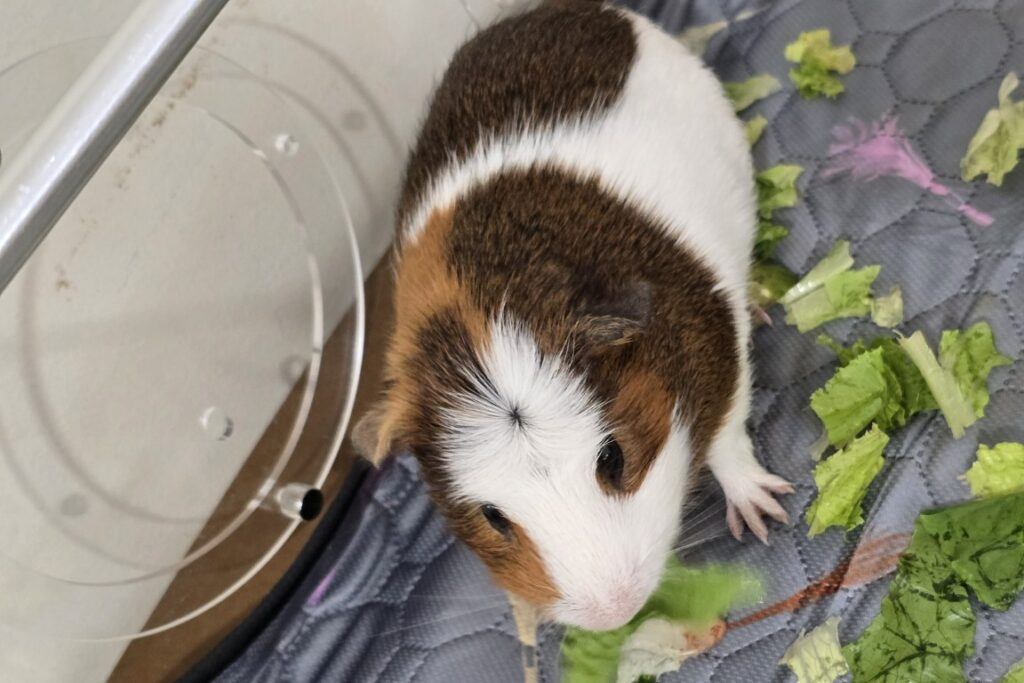
Guinea pigs can be manageable pets for beginners once a routine is established, but they should not be considered low-maintenance starter pets. They require daily feeding and observation, regular cleaning, significant enclosure space, companionship, grooming, enrichment, and appropriate veterinary care.
One of the biggest beginner mistakes is assuming guinea pigs are essentially larger hamsters. They have very different needs, particularly when it comes to floor space, diet, companionship, communication, and the way they interact with their environment.
Because guinea pigs are prey animals, they are naturally cautious. A new guinea pig may hide when you enter the room, freeze when startled, or run when you reach into the enclosure. That does not automatically mean your guinea pig dislikes you or will never become comfortable around people.
New surroundings are full of unfamiliar smells, sounds, movements, and routines. With consistency, many guinea pigs become much more confident. They may learn who feeds them, recognize familiar voices, anticipate meals, and eventually approach the front of their enclosure rather than disappearing into the nearest hide.
Chewing is another natural behavior beginners need to expect. Guinea pigs explore with their mouths and have continuously growing teeth, so something being placed in the cage does not mean they will understand that it is not supposed to be chewed. This is why enclosure safety needs to include thinking about what would happen if your guinea pig decided to gnaw on an exposed corner, seam, edge, or accessory.
Guinea pigs are also a long-term commitment. Many live around five to six years, and some live longer, so bringing them home should be treated as a multi-year responsibility.
What Beginners Should Know About Guinea Pig Behavior
- Hiding is normal, especially in a new environment.
- Guinea pigs often prefer predictable routines.
- They communicate through sounds, movement, and body language.
- Fearful behavior does not automatically mean poor bonding.
- Trust usually develops gradually.
- Guinea pigs have individual personalities and preferences.
- Chewing and gnawing are normal behaviors.
- Accessible materials should be evaluated with chewing in mind.
Guinea Pig Haven Tip
When evaluating anything that will go inside the enclosure, ask yourself, “What happens if they chew this?” That one question can catch problems that are easy to miss when you are focused only on whether something looks comfortable, cute, or convenient.
Give Your Guinea Pigs Enough Space
Guinea pigs need a spacious enclosure with enough horizontal floor space to walk, run, explore, eat, hide, rest, and move away from their companions when needed.
How much cage space do guinea pigs really need?
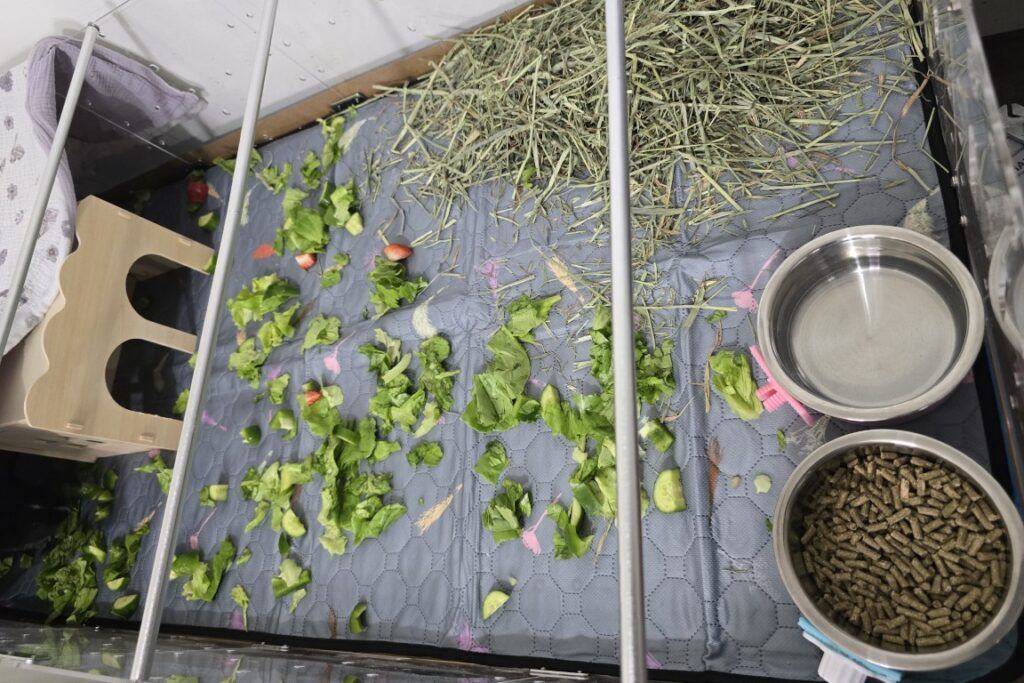
Guinea pigs need considerably more horizontal floor space than many small cages marketed for them provide. Exact recommendations vary by organization and the number of guinea pigs housed together, but more usable floor space generally makes it easier to support movement, enrichment, and peaceful cohabitation.
Many cages sold for guinea pigs give beginners the wrong impression about how much room these animals actually need. Guinea pigs are not natural climbers, so usable horizontal floor space matters much more than simply having a tall enclosure.
A good setup should allow guinea pigs to move comfortably between hay, water, sleeping areas, hiding places, enrichment, and open running space. Multiple guinea pigs also need enough room to interact when they choose and move away from one another when they do not.
The enclosure should have a solid floor rather than exposed wire flooring. Its location matters too, so choose a well-ventilated part of the home away from direct sunlight, strong drafts, heating vents, and temperature extremes.
The materials used to build or modify the enclosure also deserve attention. If a guinea pig can reach an edge, corner, ramp, barrier, liner, fastener, or plastic component, assume chewing is possible. Inspect the enclosure regularly for damage, sharp areas, loose pieces, exposed adhesive, or material that could be swallowed.
A Good Guinea Pig Enclosure Should Have
- Plenty of horizontal floor space
- A solid walking surface
- Multiple hiding places
- More than one hay area when needed
- Easy access to food and water
- Tunnels and enrichment areas
- Comfortable resting spaces
- Enough room for guinea pigs to separate from one another
- Good ventilation
- Materials that are safe, durable, and monitored for chewing
Guinea Pig Haven Tip
Plan your enclosure with cleaning in mind as well as appearance. A setup can look wonderful until you discover that you cannot easily reach behind a ramp, underneath a hide, or into the one corner your guinea pigs have chosen as their favorite bathroom.
Choose Safe and Comfortable Guinea Pig Bedding
Guinea pig bedding should be absorbent, comfortable, low in dust, and safe for their feet, respiratory system, and natural chewing behavior.
Is Fleece or Disposable Bedding Better for Guinea Pigs?
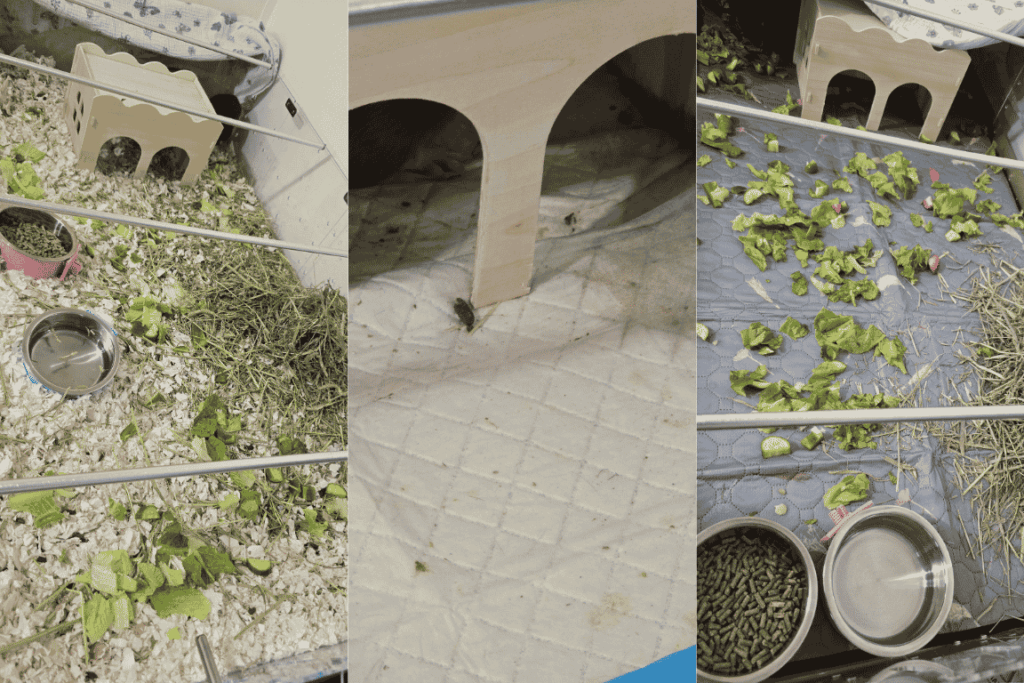
Neither fleece nor loose disposable bedding is automatically best for every household. Washable liners can work well when they are intact and safely constructed, while appropriate loose bedding can make spot cleaning simple; whichever option you choose should remain dry, low in dust, and safe if your guinea pig nibbles at accessible areas.
There is no single bedding system that works best for every guinea pig home. Common options include appropriate paper bedding, suitable loose bedding, fleece liners, and washable absorbent pads specifically arranged so guinea pigs cannot access unsafe interior materials.
Disposable pee pads or puppy-style training pads should not be used as an exposed cage surface where guinea pigs can reach the plastic backing, sealed edges, or absorbent filling. Guinea pigs may chew those areas, turning something that seems convenient for cleanup into an ingestion risk.
Washable liners and pads also need inspection. A fabric-covered pad may be useful when it is intact and appropriately secured, but loose threads, torn seams, exposed absorbent layers, foam, or damaged waterproof backing should not be left accessible.
Whichever bedding system you choose, the goal remains the same: keep the enclosure clean, dry, comfortable, and safe. Bedding that stays wet for long periods can irritate the skin and feet, while damaged bedding materials can create an entirely different safety concern.
Learn more about bedding that you should or should not use in our guide, Guinea Pig Bedding: 10 Best and Worst Options Compared
Bedding Safety Checklist
Before using bedding or a liner, check for:
- Exposed plastic edges
- Loose strings or fibers
- Accessible foam or filling
- Torn seams
- Frayed fabric
- Staples or sharp fasteners
- Strong fragrances
- Excessive dust
- Areas that remain persistently damp
- Materials your guinea pigs are actively chewing and swallowing
Guinea Pig Haven Tip
We started with paper bedding before transitioning to washable pads as our enclosure changed. That experience taught us not to choose bedding based only on what looks easiest online. Your cage size, cleaning routine, laundry setup, budget, and the habits of your guinea pigs all matter.
Feed Your Guinea Pigs a Healthy Daily Diet
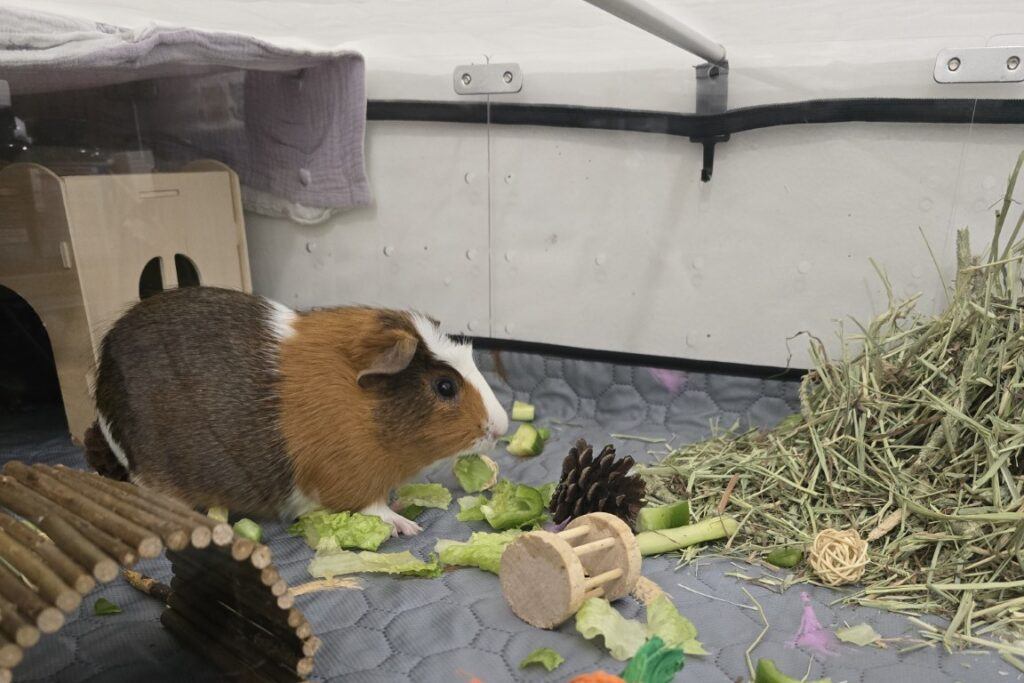
A healthy adult guinea pig diet should center around unlimited grass hay, with fresh vegetables, a measured amount of guinea pig-specific pellets, clean water, and a reliable source of vitamin C.
Can Guinea Pigs Eat Fruit Every Day?
Fruit is better treated as an occasional treat rather than a daily staple because it generally contains more sugar than the foods that should make up the bulk of a guinea pig’s diet. Hay and appropriate vegetables should do most of the nutritional heavy lifting.
Diet is one of the most important parts of guinea pig care because their digestive systems depend on a steady supply of fiber. Hay should form the foundation of an adult guinea pig’s diet and remain available throughout both the day and night.
Unlimited Grass Hay
Good-quality grass hay, such as timothy or orchard grass, supports healthy digestion and normal dental wear. Guinea pig teeth grow continuously, so chewing fibrous food throughout the day plays an important role in keeping those teeth worn appropriately.
Hay should not be treated as an occasional snack or something you add only when the rack looks empty. It is one of the most important foods your guinea pig eats.
Fresh Vegetables
Fresh vegetables add moisture, variety, nutrients, and important sources of vitamin C. Leafy greens and suitable vegetables such as bell peppers can be included in a balanced rotation.
Introduce new vegetables gradually, particularly if your guinea pig has not eaten them before. Variety is also useful because feeding the same few foods in large amounts every day can create unnecessary nutritional imbalances.
Guinea Pig Pellets
Choose plain pellets formulated specifically for guinea pigs. Pellets can complement the diet, but they should not replace hay or fresh vegetables.
Avoid colorful mixes filled with seeds, dried fruit, and assorted pieces that encourage selective eating. Given the opportunity, guinea pigs can become tiny buffet critics and selectively eat whichever pieces they prefer.
Fresh Water
Fresh water should always be available. Water bottles should be checked daily to make sure the nozzle is actually working because a bottle can still appear full when the tube has become blocked.
If you use a bowl, choose something stable that cannot easily be tipped and check it frequently for contamination.
Vitamin C
Guinea pigs cannot synthesize their own vitamin C, so they need a regular dietary source. Vitamin C-rich vegetables and properly stored guinea pig pellets can help meet this requirement.
If you are unsure whether your guinea pig is receiving enough vitamin C, discuss the complete diet with your veterinarian before adding supplements.
Daily Guinea Pig Diet Basics
- Unlimited grass hay
- Fresh water
- Appropriate fresh vegetables
- Measured guinea pig pellets
- Reliable vitamin C intake
- Fruit only as an occasional treat
Guinea Pig Haven Tip
Guinea pigs learn feeding routines quickly. Once they associate the refrigerator door, a produce bag, or a particular sound with vegetables, you may discover that your home now has a very loud furry meal-notification system.
Know Which Foods Guinea Pigs Should Avoid
Guinea pigs should eat a high-fiber, plant-based diet appropriate for their species, and many human foods, animal products, sugary treats, and certain plants should not be part of their diet.
Can Guinea Pigs Eat Human Snacks?
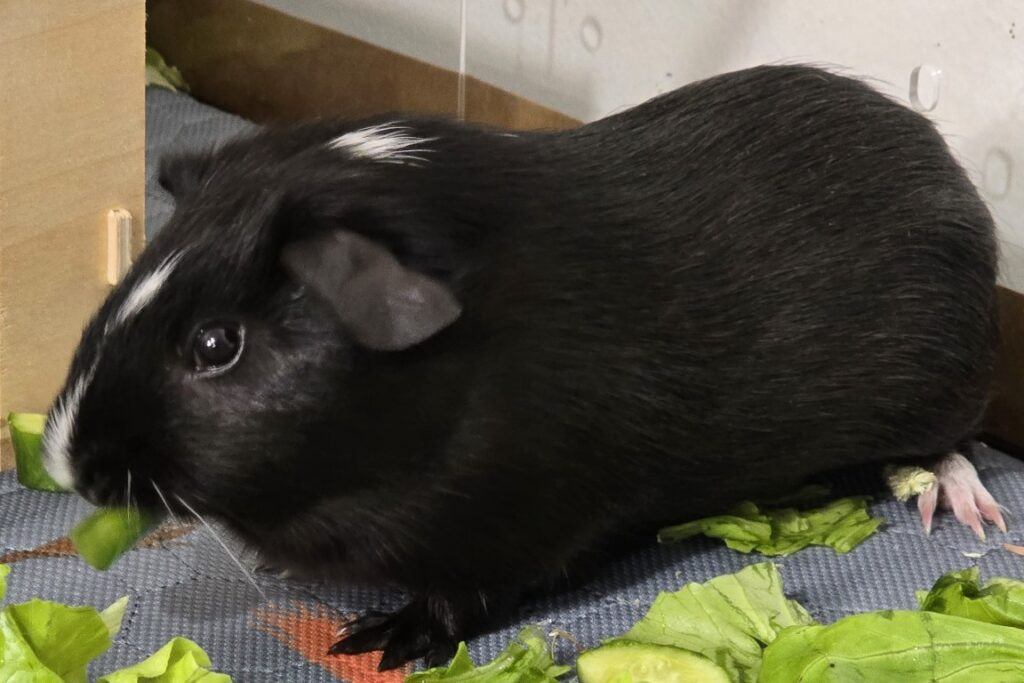
Processed human snacks generally should not be part of a guinea pig’s diet. Their digestive systems are adapted to high-fiber plant foods rather than crackers, cookies, dairy products, candy, or other processed foods.
Not everything that seems harmless to people belongs in a guinea pig food bowl. Human foods can contain sugar, salt, fat, dairy, seasonings, or other ingredients that do not belong in a normal guinea pig diet.
The same caution applies to treats marketed for small animals. A product being sold near guinea pig supplies does not automatically make it nutritionally appropriate.
When trying an unfamiliar fruit, vegetable, herb, or plant, check whether it is safe before feeding it rather than assuming your guinea pig will instinctively know what to avoid.
Foods Guinea Pigs Should Generally Avoid
- Meat
- Dairy products
- Chocolate
- Candy
- Processed human snacks
- Foods with added sugar
- Seed-heavy treat mixes
- Dairy-based treats
- Moldy or spoiled foods
- Foods containing unsafe seasonings or ingredients
Guinea pigs can be extremely enthusiastic about food. Unfortunately, enthusiasm is not the same thing as nutritional expertise.
Guinea Pigs Need Companionship
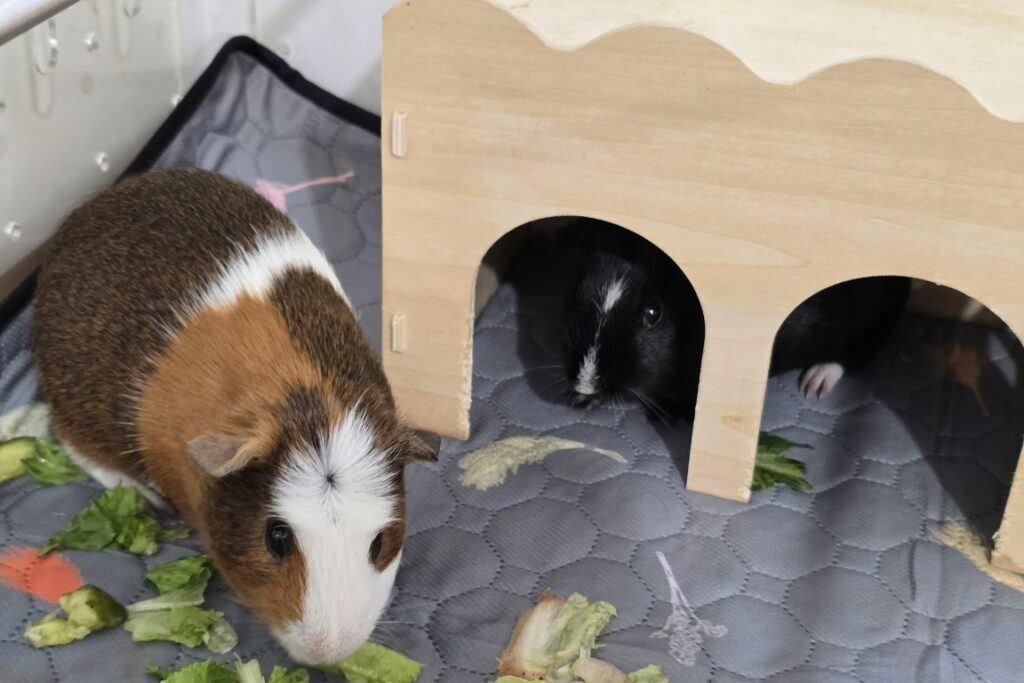
Guinea pigs are highly social animals and generally do best with at least one compatible guinea pig companion unless an individual medical or behavioral situation requires otherwise.
Can One Guinea Pig Live Alone If I Give It Lots of Attention?
Human interaction does not fully replace another guinea pig. If an individual guinea pig must live alone because of a medical, behavioral, or other exceptional situation, additional enrichment and interaction become especially important.
Guinea pigs communicate with one another through vocalizations, movement, scent, body language, and social behaviors that humans cannot completely reproduce.
Compatible groupings may include two females, compatible males, or a neutered male with one or more females. Individual personality still matters, so placing two guinea pigs together does not guarantee that they will immediately become friends.
Introductions should be handled thoughtfully, and guinea pigs living together should have enough space and resources to reduce unnecessary competition.
Provide:
- Multiple hiding places
- Plenty of hay
- Adequate feeding space
- More than one water source when useful
- Open areas for movement
- Enough room for guinea pigs to separate from each other
Guinea Pig Haven Tip
Not every rumble, chase, or disagreement means that two guinea pigs have failed to bond. Guinea pigs establish social boundaries and hierarchies, so learning the difference between normal dominance behavior and dangerous fighting is an important part of keeping multiple guinea pigs.
Create a Simple Daily Guinea Pig Care Routine
Daily guinea pig care includes providing food and hay, checking water, spot cleaning the enclosure, observing each guinea pig, and offering enrichment and social interaction.
What Is the Most Important Daily Guinea Pig Health Check?
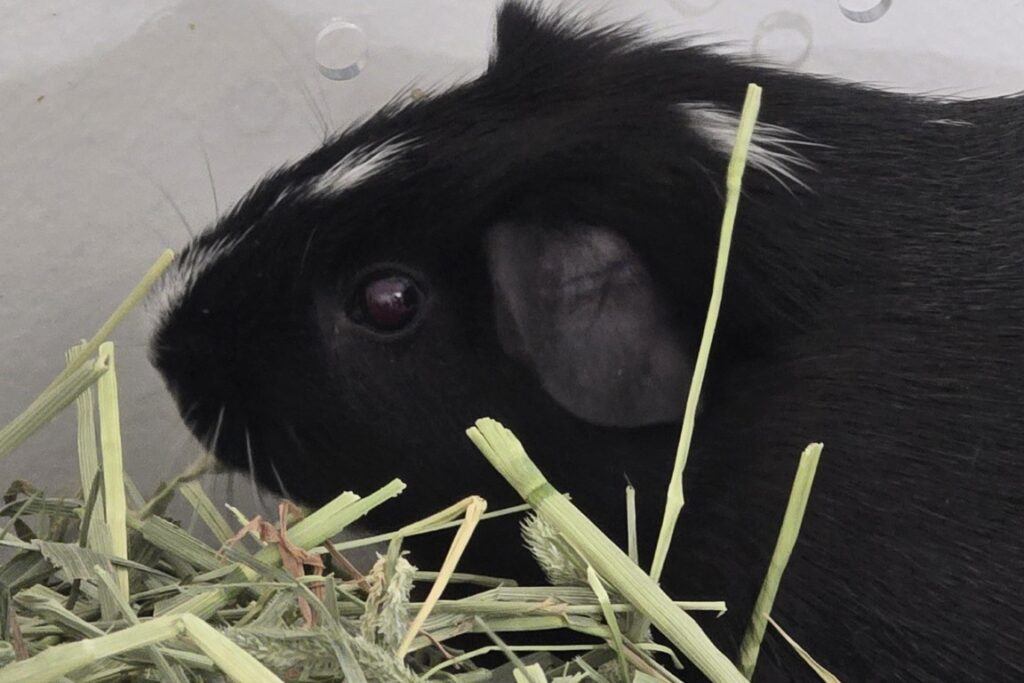
Make sure your guinea pigs are eating normally and behaving like themselves. A noticeable decrease in appetite, droppings, movement, or activity can be an early sign that something is wrong.
A consistent routine makes guinea pig care much easier because you stop thinking about every task individually and start moving through the same basic rhythm each day.
Morning Guinea Pig Care
- Check and refill hay
- Refresh or inspect water
- Provide fresh food
- Look for normal droppings
- Remove wet or dirty bedding
- Observe everyone’s appetite and behavior
Throughout the Day
Top up hay when needed and provide enrichment, interaction, or supervised activity depending on your setup. You do not need to perform a complete medical examination every time you walk past the enclosure, but frequent casual observation helps you learn what normal looks like.
Use these moments to glance at the enclosure too. If a liner has been pulled loose, a hide has been heavily chewed, or an edge that was previously covered is suddenly exposed, address it before your guinea pigs have more time to work on it.
Evening Guinea Pig Care
- Check hay again
- Recheck water
- Remove heavily soiled areas
- Pick up leftover fresh food
- Inspect commonly chewed items
- Make sure each guinea pig appears active and interested in eating
Guinea Pig Haven Tip
Use feeding and cleaning time as your built-in health and safety check. You are already near the enclosure, so take a few extra seconds to notice who comes for food, who stays hidden, and whether the guinea pigs have started chewing something they previously ignored.
Keep the Guinea Pig Cage Clean
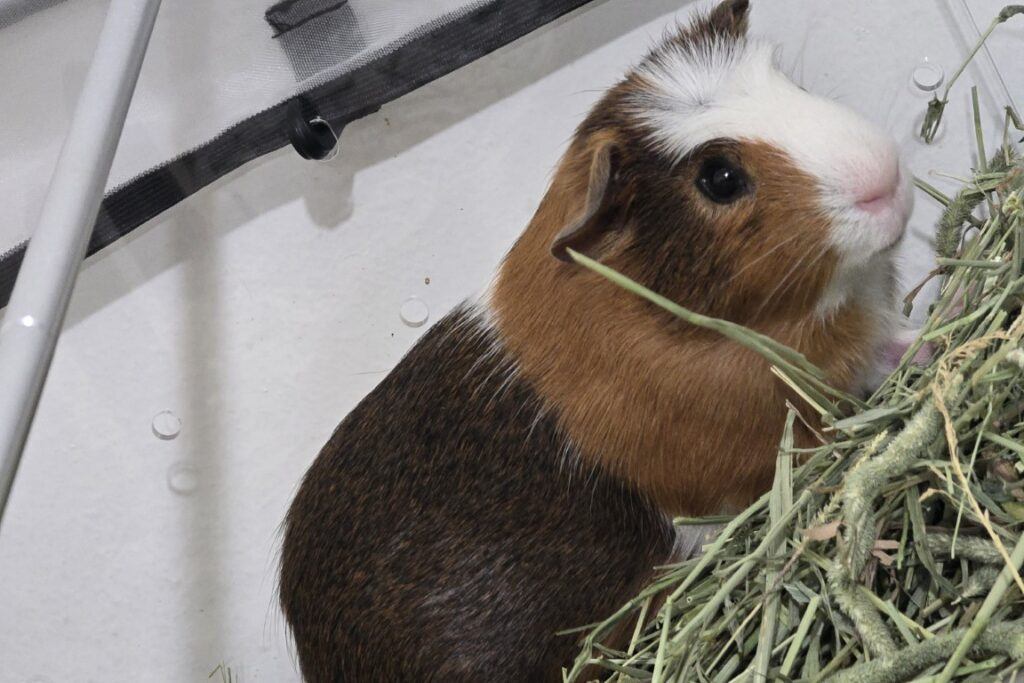
Guinea pig enclosures need frequent spot cleaning and regular deeper cleaning to remove urine, droppings, wet bedding, spoiled food, and accumulated debris while keeping all accessible materials safe and intact.
How often should a guinea pig cage be cleaned?
Spot cleaning should happen daily or whenever heavily soiled areas appear, while full cleanings depend on cage size, bedding type, and the number of guinea pigs. The goal is to keep the enclosure dry and sanitary rather than follow one rigid schedule.
Guinea pigs produce an impressive amount of waste for their size, so cleaning quickly becomes part of the normal rhythm of ownership. Daily spot cleaning prevents the enclosure from becoming heavily soiled between deeper cleanings.
Cleaning time is also one of the best opportunities to inspect everything in the cage. Look underneath liners, along enclosure walls, around hides, under ramps, and anywhere your guinea pigs regularly chew.
During Daily Spot Cleaning, Remove
- Excess droppings
- Wet bedding
- Soiled hay
- Leftover fresh food
- Dirty areas around food and water
- Any noticeably damp material
- Damaged or unsafe chewed items
Deeper cleaning involves removing liners or bedding, cleaning the enclosure surface, washing reusable accessories as appropriate, and replacing everything with clean materials.
During a Deep Clean, Also Check For
- Chewed plastic
- Fraying fabric
- Loose threads
- Cracked hides
- Sharp edges
- Exposed internal padding
- Damaged ramps
- Loose fasteners
- Accessible tape or adhesives
- Areas that are difficult to keep dry
How quickly the cage becomes dirty depends on its size, layout, bedding, number of guinea pigs, and where they prefer to eat and eliminate.
Guinea Pig Haven Tip
Watch where your guinea pigs naturally choose to urinate, poop, and chew. Those habits tell you where extra absorbency, additional protection, or more frequent inspections may be needed.
Keep Up With Guinea Pig Grooming
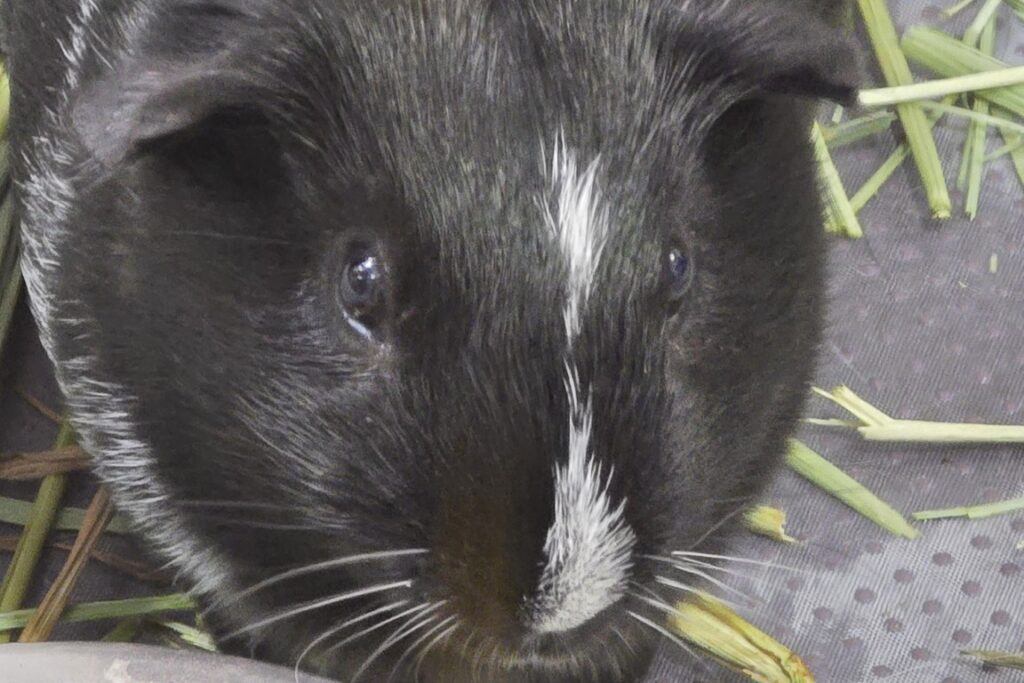
Guinea pigs need regular nail care and basic body checks, while brushing and coat maintenance depend on their hair length, age, cleanliness, and individual health.
Do Guinea Pigs Need Baths?
Guinea pigs do not need routine baths simply because they are guinea pigs. Bathing may occasionally be necessary if their fur becomes significantly dirty, but frequent bathing can be stressful and may irritate the skin. If a guinea pig suddenly becomes unable to keep itself clean, consider whether an underlying health or mobility problem may be contributing rather than simply increasing the number of baths.
Guinea pigs require less grooming than some household pets, but they are not completely maintenance-free.
Nail Trimming
Guinea pig nails continue growing and should be trimmed often enough to prevent excessive length, curling, discomfort, or changes in the way the guinea pig walks.
If nail trimming makes you nervous, ask your veterinarian or another experienced professional to demonstrate safe technique.
Coat Care
Short-haired guinea pigs generally require less brushing than long-haired guinea pigs. Longer coats may need frequent brushing and occasional trimming to prevent tangles, mats, urine staining, and trapped debris.
Basic Body Checks
Grooming is also a useful time to check:
- Skin
- Coat
- Feet
- Nails
- Ears
- Eyes
- Rear end
- Lumps or unusual areas
The goal is not to diagnose every small change at home. You simply want to become familiar enough with your guinea pig’s normal body that unusual changes stand out.
Guinea Pig Haven Tip
Pair grooming with another predictable routine whenever possible. Regularly checking nails, feet, skin, and coat becomes much easier when it is part of normal care rather than something you remember only after the nails have become too long.
Provide Exercise and Chew-Safe Enrichment
Guinea pigs need daily opportunities to move, forage, hide, explore, chew, and interact with their environment, but enrichment materials should be nontoxic and safe if your guinea pigs decide to gnaw on them.

Do guinea pigs really need toys?
Guinea pigs need enrichment, but enrichment does not have to mean store-bought toys. Tunnels, cardboard hides, forage boxes, hay piles, and other activities can provide plenty of stimulation when they encourage safe, natural behaviors.
A guinea pig enclosure should provide more than food and somewhere to sleep. Guinea pigs naturally spend time exploring, foraging, hiding, chewing, resting, and interacting with their companions.
Chewing is part of that normal behavior, which means enrichment should be selected with the expectation that teeth may eventually make contact with it. Something that is safe to walk through is not automatically safe to chew.
Cardboard, untreated wood, hay-based items, and other appropriate natural materials can provide useful enrichment when they are clean and free from unsafe coatings, adhesives, staples, strings, or other hazards.
Plastic enrichment deserves particular attention. A durable item that your guinea pigs completely ignore may not pose the same risk as an item they are actively stripping pieces from with their teeth. If you notice significant chewing or missing pieces, remove the item rather than waiting to see how committed they are to the project.
Easy Guinea Pig Enrichment Ideas
- Plain cardboard boxes
- Safe cardboard tunnels
- Untreated wooden chew items
- Hay piles
- Safe hides
- Foraging activities
- Paper-based exploration items prepared safely
- Rearranged cage furniture
- Supervised floor time in a guinea-pig-proofed area
Before Adding Enrichment, Check For
- Plastic that can be easily chewed apart
- Paints or unknown coatings
- Staples
- Tape
- Glue
- Loose strings
- Fabric loops
- Foam
- Small detachable pieces
- Sharp edges
Guinea Pig Haven Tip
Guinea pigs are excellent product testers because they will find the one edge you did not expect them to care about. Check enrichment again after it has been in the cage for a while rather than assuming something that was safe on day one will remain safe forever.
Learn Your Guinea Pig’s Behavior and Sounds
Guinea pigs communicate through vocalizations, movement, body language, and changes in routine. Learning those signals helps you better understand excitement, fear, social tension, comfort, and possible illness.
How can I tell if my guinea pig is happy?
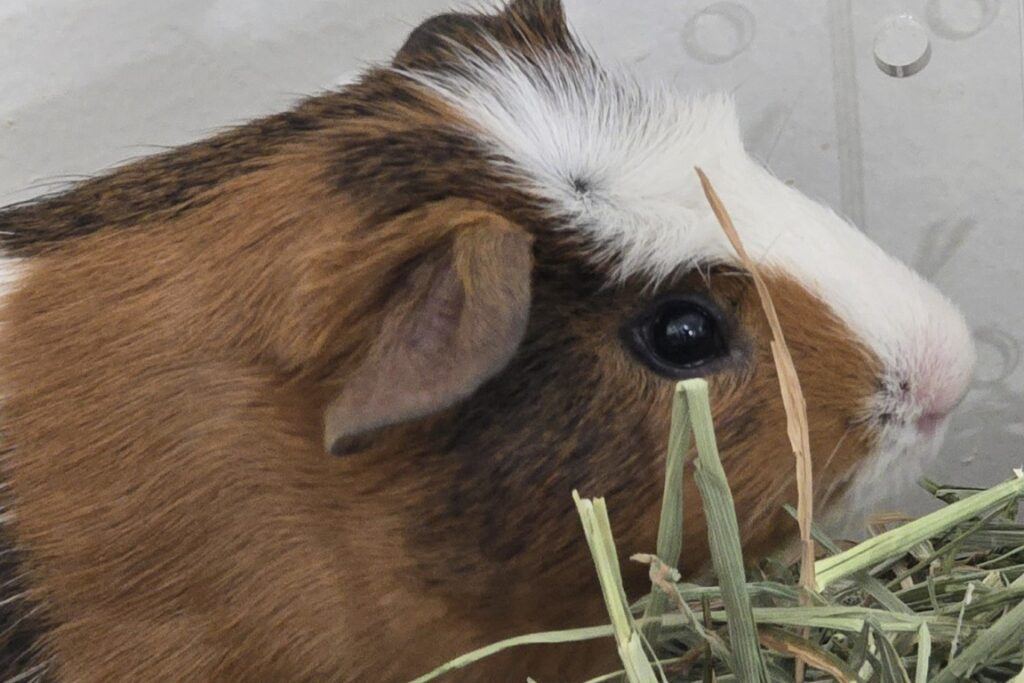
A comfortable guinea pig may eat readily, explore, interact with companions, rest openly, forage, vocalize, popcorn, zoom, or approach familiar people. The best comparison is often your guinea pig’s current behavior versus its own normal routine.
Once you begin paying attention, guinea pigs can be surprisingly expressive. Their sounds and movements are often easier to understand when you look at what is happening around them rather than trying to assign one permanent meaning to every noise.
Common Guinea Pig Behaviors and Sounds
Wheeking: Often associated with excitement or anticipation, particularly around food.
Popcorning: Sudden jumps, twists, or little bursts into the air that are often seen when a guinea pig is excited.
Zoomies: Fast bursts of running around the enclosure.
Rumbling: A low sound that can occur during social, courtship, or dominance-related interactions.
Teeth Chattering: Often signals irritation, warning, or tension and should be interpreted alongside body language.
Freezing and Hiding: Normal prey-animal responses to sudden noises or unfamiliar movement.
Chewing: A normal behavior that may involve hay, chew items, cardboard, hides, cage components, or anything else they can reach. Normal does not automatically mean the material being chewed is safe.
Context matters. A guinea pig that briefly hides after being startled is very different from one that suddenly spends most of the day hunched inside a hide while eating less.
Pay Close Attention to Guinea Pig Health
Guinea pigs can hide signs of illness, so changes in appetite, weight, droppings, breathing, movement, posture, or behavior should be taken seriously.
Should I wait overnight if my guinea pig stops eating?
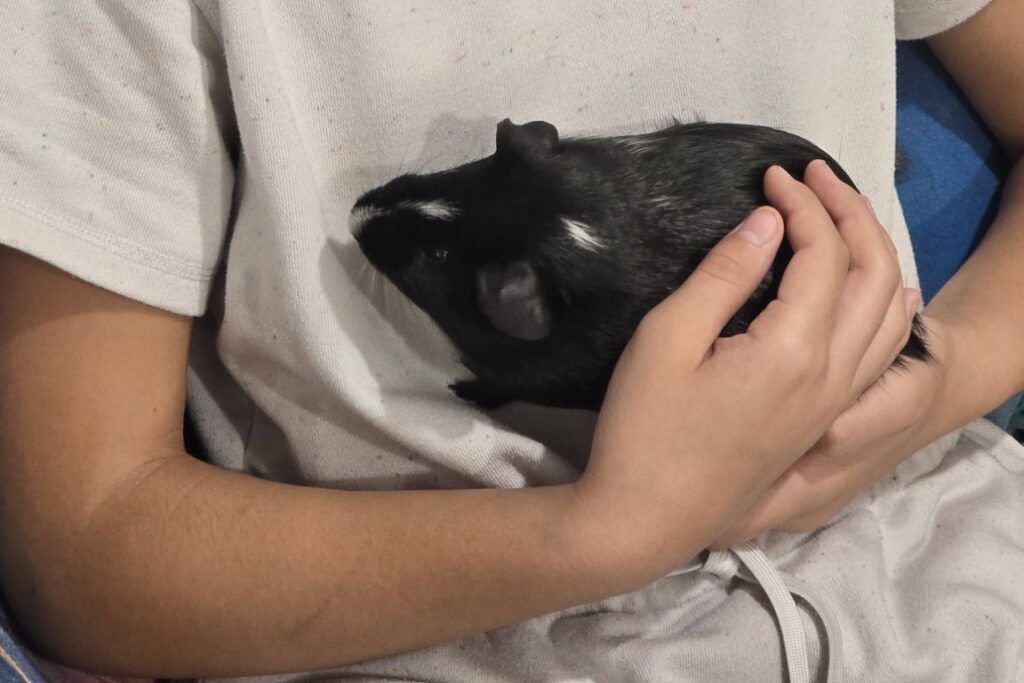
A guinea pig that stops eating needs prompt veterinary attention rather than an extended wait-and-see period. Appetite loss can accompany dental disease, digestive problems, pain, infection, or other illnesses that may worsen quickly.
One of the best things you can do for your guinea pigs is learn what they look and act like when they are healthy. Knowing their normal appetite, activity level, weight, droppings, posture, and social behavior makes subtle changes much easier to notice.
Regular weighing is particularly useful because gradual weight loss can be difficult to see under a guinea pig’s coat. A small digital scale that measures in grams can help you identify trends before they become visually obvious.
Health Changes to Watch For
Pay attention to changes in:
- Eating
- Drinking
- Weight
- Droppings
- Urination
- Breathing
- Eyes or nose
- Posture
- Activity
- Movement
- Coat
- Skin
- Teeth
- Social behavior
Signs That Need Veterinary Attention
Contact a veterinarian promptly if your guinea pig:
- Stops eating or eats significantly less
- Produces far fewer droppings
- Has difficulty breathing
- Becomes unusually weak or lethargic
- Struggles to urinate
- Has blood in the urine
- Develops diarrhea
- Shows obvious signs of pain
- Loses weight without explanation
- Develops a concerning lump, wound, swelling, or skin problem
If you believe a guinea pig has swallowed a potentially dangerous material or develops appetite, stool, abdominal, or behavioral changes after chewing something inappropriate, contact your veterinarian for advice.
Guinea Pig Haven Tip
Keep a simple health record for each guinea pig. Routine weights, veterinary visits, medications, unusual symptoms, and possible exposure to chewed materials are much easier to evaluate when you have actual dates and details.
Find a Veterinarian Before You Need One
Find a veterinarian experienced with guinea pigs before an illness or emergency occurs so you already know where to seek appropriate care.
Can any veterinarian treat a guinea pig?
Veterinarians receive broad medical training, but individual practices differ in the species they routinely treat and the equipment and experience they have available. When possible, choose a veterinarian who regularly works with guinea pigs or exotic companion mammals.
Not every veterinary practice routinely treats guinea pigs, so identifying the right clinic before an emergency is worthwhile.
Questions to Ask a Potential Guinea Pig Vet
- Do you routinely treat guinea pigs?
- Is there a veterinarian on staff experienced with exotic companion mammals?
- Do you provide emergency appointments?
- Where should clients go after hours?
- Does the recommended emergency hospital treat guinea pigs?
- Do you perform guinea pig dental procedures?
- What is your recommendation for routine wellness visits?
Keeping this information somewhere easy to find can save valuable time when you are worried about a sick guinea pig.
Routine veterinary examinations are also an opportunity to discuss diet, dental health, weight, mobility, grooming, and age-related changes.
Buy the Guinea Pig Supplies You Actually Need
New guinea pig owners should prioritize proper housing, food, water, bedding, hiding places, chew-safe materials, a carrier, health-monitoring tools, and basic grooming supplies before spending money on decorative extras.
What do I actually need before bringing guinea pigs home?
Start with a suitable enclosure, safe bedding, hay, pellets, fresh-food supplies, water equipment, multiple hides, a carrier, grooming basics, cleaning supplies, and chew-safe enrichment. Optional accessories can be added later once you know what your guinea pigs actually use and what they are likely to chew.
Pet stores offer a huge number of products marketed toward guinea pigs, but not every item is necessary, useful, or appropriate. Buying the essentials first can save money and help you avoid filling the enclosure with items that either provide little value or create unnecessary hazards.
Remember that every supply decision should include a chew-safety check. A washable liner, tunnel, hide, ramp, toy, or cage accessory may be perfectly useful while intact but become unsafe once your guinea pig exposes plastic, foam, threads, adhesive, or small pieces.
Essential Guinea Pig Supplies
Start with:
- Properly sized enclosure
- Safe bedding or washable liners
- Grass hay
- Guinea pig pellets
- Fresh vegetables
- Water bottle or safe bowl
- Food dishes
- Multiple hideouts
- Safe chew items
- Secure carrier
- Nail clippers
- Digital scale
- Cleaning supplies
- Safe enrichment
Helpful Extras
Depending on your setup, you may also appreciate:
- Extra liner sets
- Hand vacuum
- Hay storage container
- Tunnels
- Foraging accessories
- Grooming brushes
- Laundry bags for washable bedding
- Additional water bottles
- Storage bins for supplies
Things to Avoid or Use With Extra Caution
Be cautious with:
- Exposed disposable pee pads with plastic backing or edges
- Plastic toys intended for chewing
- Foam bedding or exposed foam padding
- Exercise balls
- Exercise wheels
- Harnesses intended for forced walking
- Seed-heavy treat mixes
- Yogurt or dairy treats
- Highly sugary snacks
- Very small cages marketed as complete homes
- Items with loose threads, strings, staples, tape, or exposed adhesive
- Random supplements without a nutritional or veterinary reason
A guinea pig printed on the packaging does not automatically mean the product belongs in your setup.
Guinea Pig Haven Tip
Buy according to what happens after your guinea pig gets its teeth on the product, not just how it looks when you take it out of the package. If chewing can expose something you would not want swallowed, choose another option or make that part completely inaccessible.
Avoid These Common Beginner Guinea Pig Care Mistakes
Common beginner guinea pig care mistakes usually involve inadequate housing, incorrect diet, insufficient companionship, poor health monitoring, unsafe materials, or trusting small-pet marketing more than species-appropriate care guidance.
What is the biggest mistake new guinea pig owners make?
There is no single mistake that every beginner makes, but underestimating guinea pigs’ space, dietary, social, chewing, and medical needs can lead to several preventable problems at once. Thinking of them as simple cage pets often causes owners to overlook how much their environment matters.
You do not have to get absolutely everything perfect on the first day. Most guinea pig owners learn, adjust, and improve their setup as they gain experience, but understanding common pitfalls can help you avoid unnecessary problems from the beginning.
Common Guinea Pig Care Mistakes
- Using a cage that is too small: Guinea pigs need meaningful horizontal floor space rather than just enough room for a hide and food bowl.
- Feeding too many pellets: Pellets supplement the diet rather than replacing hay and vegetables.
- Not providing unlimited hay: Hay is a dietary staple and should always be available.
- Forgetting about vitamin C: Guinea pigs require a regular dietary source because they cannot make it themselves.
- Ignoring companionship needs: Compatible guinea pig companionship should be part of the care plan in most situations.
- Skipping routine weight checks: Weight loss can be difficult to notice visually.
- Ignoring subtle health changes: Appetite, droppings, posture, and activity can change before an illness becomes obvious.
- Providing too few hiding places: Every guinea pig needs access to a secure place to retreat.
- Using materials without considering chewing: Plastic edges, foam, loose threads, stuffing, adhesives, and other accessible materials may become hazards when gnawed.
- Using exposed disposable pee pads: Plastic backing and sealed edges can become chewing targets.
- Trusting every pet-store product: Marketing does not guarantee that a product is safe or useful.
- Treating guinea pigs like children’s toys: Adults should remain responsible for their welfare.
Guinea Pig Haven Tip
Expect your setup to evolve. Learning that a liner, hide, toy, or cage design is not working safely does not mean you failed. Replacing it after seeing how your guinea pigs actually interact with it is exactly what attentive care looks like.
How Much Time Does Guinea Pig Care Take?
Guinea pig care requires attention every day, with additional time needed for deeper cleaning, grooming, enclosure maintenance, enrichment, supply shopping, and veterinary care.
How much time should I expect to spend caring for guinea pigs each day?
Basic feeding, water checks, health observation, and spot cleaning can fit into a manageable daily routine once your setup is organized. Larger cleaning jobs, grooming, laundry, safety inspections, and enclosure maintenance take additional time throughout the week.
The amount of work varies based on cage size, bedding type, number of guinea pigs, and how efficiently your supplies are organized. A well-designed setup can make everyday maintenance much easier.
Daily Guinea Pig Care
Expect to:
- Refill hay
- Feed vegetables and pellets
- Check water
- Spot clean
- Observe appetite and behavior
- Provide enrichment or interaction
- Notice new chewing or enclosure damage
Weekly or Regular Care
You may also need to:
- Deep clean the enclosure
- Wash liners
- Clean accessories
- Inspect hides and enrichment
- Check for damaged seams or edges
- Groom your guinea pigs
- Check nails
- Record weights
Periodic Care
Additional tasks include:
- Nail trimming
- Veterinary visits
- Supply shopping
- Enclosure repairs or adjustments
- Replacing heavily chewed items
- Deeper grooming
- Bonding or introductions when adding guinea pigs
A thoughtfully designed enclosure can make these jobs much easier. An awkward setup can turn what should be a quick cleaning job into an unexpected furniture-moving event.
How Much Does It Cost to Care for Guinea Pigs?
Guinea pig ownership includes both startup and recurring costs for housing, food, bedding, veterinary care, grooming, cleaning supplies, enrichment, and replacement items.
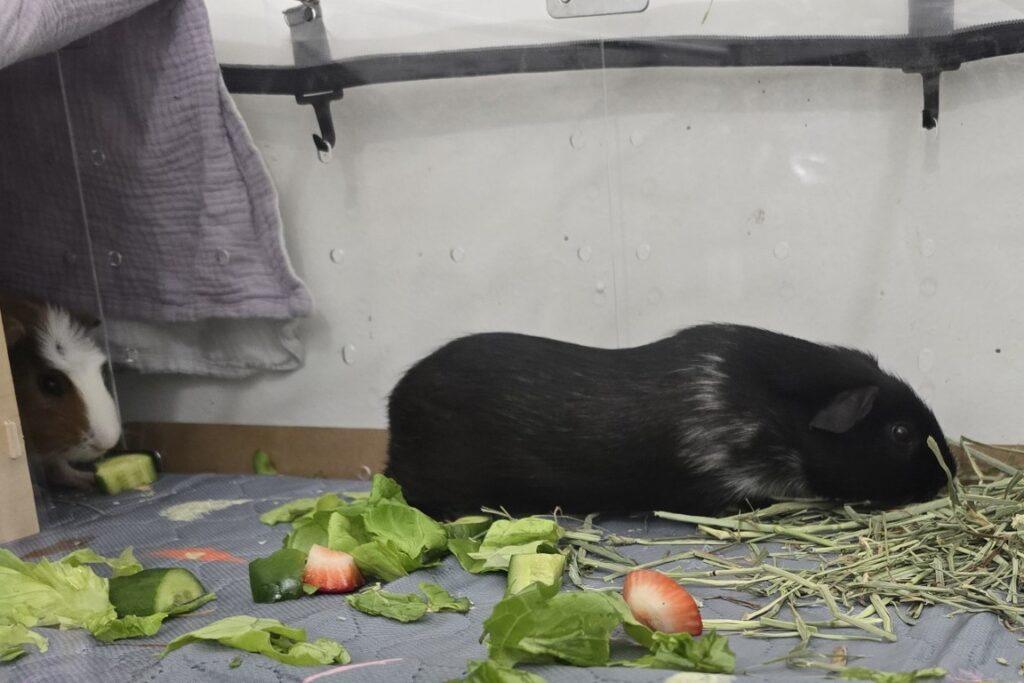
Are guinea pigs cheap pets?
Their small size does not necessarily make them inexpensive to keep. Hay, fresh vegetables, bedding, appropriate housing, replacement supplies, and particularly veterinary care can make the real cost of guinea pig ownership much higher than many beginners expect.
The purchase or adoption fee is only one small part of the cost of owning guinea pigs. A suitable setup requires equipment, supplies, and ongoing expenses throughout their lives.
Guinea Pig Startup Costs
These may include:
- Enclosure
- Bedding or liners
- Hideouts
- Food bowls
- Water bottles
- Carrier
- Grooming supplies
- Hay storage
- Digital scale
- Enrichment
Ongoing Guinea Pig Costs
Expect recurring expenses for:
- Hay
- Pellets
- Fresh vegetables
- Bedding or laundry
- Cleaning supplies
- Replacement accessories
- Replacement chewed items
- Routine veterinary care
Unexpected medical expenses also need to be considered. Guinea pigs can develop dental problems, urinary conditions, respiratory illness, digestive problems, skin conditions, and other health concerns that require professional care.
Guinea Pig Haven Tip
Create a veterinary plan before an emergency happens. Whether that means maintaining a dedicated emergency fund, pet-care savings, or another reliable financial option, knowing how you would handle an unexpected vet bill removes one layer of stress when your guinea pig needs help.
Are Guinea Pigs Good Pets for Children?
Guinea pigs can be wonderful family pets, but an adult should remain responsible for their daily care, health, housing, and veterinary needs.
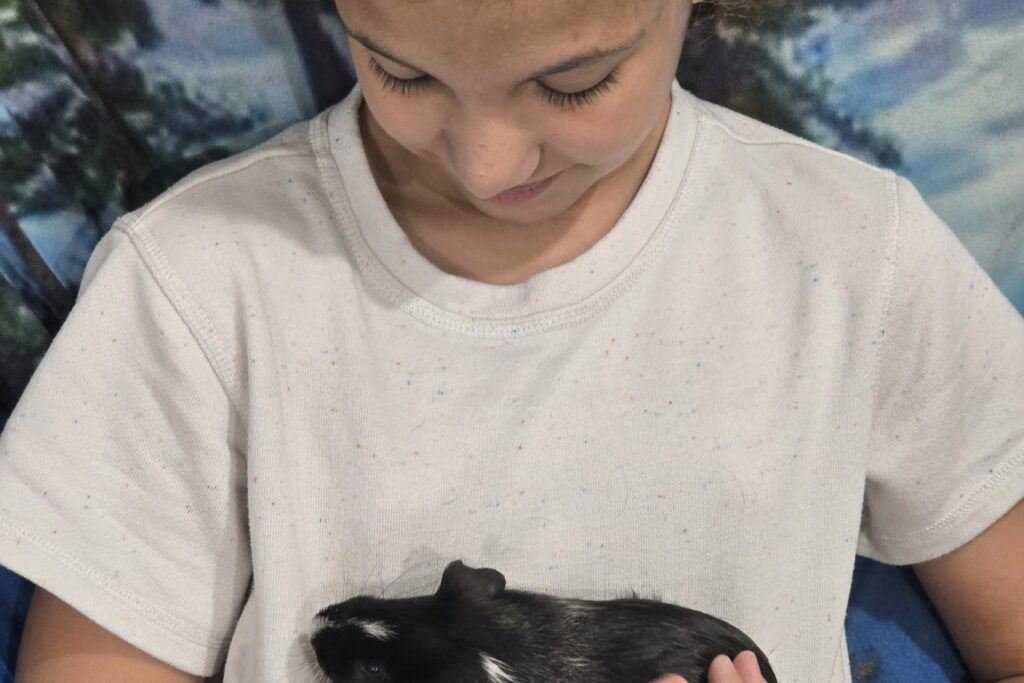
What age should a child be before getting a guinea pig?
There is no single perfect age because maturity, supervision, and family involvement matter more than a number. The adults in the household should be prepared to remain responsible for the guinea pigs even if the child’s interest changes.
Children can learn a great deal from helping care for guinea pigs, including gentle handling, animal behavior, routine, and responsibility. However, guinea pigs should not become a child’s responsibility alone.
Adults Should Remain Responsible For
- Feeding
- Cleaning
- Health monitoring
- Veterinary care
- Safe housing
- Appropriate companionship
- Safe handling
- Checking enrichment and materials for chewing hazards
Guinea pigs also have fragile bodies and can be injured by falls or rough handling. Younger children should be supervised closely, and floor-level interaction can reduce the distance a guinea pig could fall if it suddenly wiggles free.
Prepare Before Bringing Your Guinea Pigs Home
Set up your guinea pigs’ enclosure, food, water, hiding places, chew-safe enrichment, cleaning supplies, and veterinary plan before they arrive so their first days can be calm and predictable.
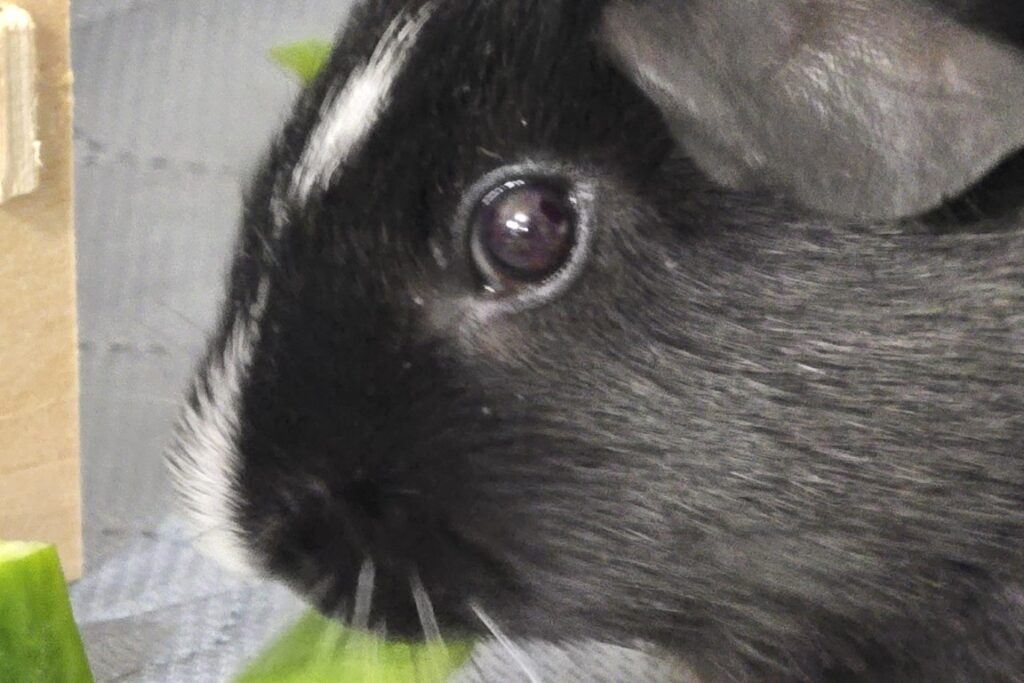
Should I set up the guinea pig cage before bringing them home?
Yes. The enclosure should be completely assembled, safety-checked, and stocked before your guinea pigs arrive so they can move directly into a quiet environment with food, water, hay, hiding places, and safe enrichment.
Preparing in advance makes the transition easier for everyone. Bringing guinea pigs home and then discovering you still need the correct hay, another hide, a working water bottle, or safer bedding adds unnecessary stress to an already unfamiliar first day.
Before declaring the cage finished, get down near guinea-pig level and inspect everything they can actually reach. Look for exposed plastic edges, fabric seams, foam, tape, electrical cords, gaps, sharp corners, and anything else that might become a chewing target.
Before Your Guinea Pigs Come Home, Have
- A completed enclosure
- Safe bedding or liners
- Multiple hiding places
- Unlimited grass hay
- Guinea pig pellets
- Suitable vegetables
- Fresh water
- Food dishes
- Safe enrichment
- Appropriate chew items
- A secure carrier
- Cleaning supplies
- Grooming basics
- A veterinarian identified
- A plan for other household pets
- A plan for young children
Complete a Chew-Safety Check
Look for:
- Exposed plastic edges
- Disposable pee pads or plastic-backed mats
- Loose threads
- Accessible stuffing or foam
- Tape and adhesive
- Staples
- Small pieces that could break off
- Electrical cords
- Damaged cage panels
- Frayed fabric
- Unsafe plants
- Anything positioned close enough to the enclosure to be pulled through and chewed
First-Day Priorities
Focus on:
- Quiet surroundings
- Easy access to food and water
- Plenty of hiding opportunities
- Minimal unnecessary handling
- Watching to make sure each guinea pig eats
- Allowing them to explore at their own pace
- Watching how they interact with the new enclosure
Guinea Pig Haven Tip
Finish as much shopping and setup as possible before pickup or adoption day, but still expect your guinea pigs to point out things you missed. They have an impressive talent for identifying the single chewable edge in an enclosure that looked completely guinea-pig-proof to a human.
Frequently Asked Questions About Guinea Pig Care
Are Guinea Pigs Hard to Take Care Of?
Guinea pigs are not necessarily difficult once you establish a routine, but they require more specialized care than their small size suggests. They need daily feeding and observation, plenty of hay, appropriate vegetables and vitamin C, ample living space, companionship, regular cleaning, safe materials, enrichment, grooming, and appropriate veterinary care.
What Do Guinea Pigs Need Every Day?
Guinea pigs need unlimited grass hay, fresh water, appropriate vegetables, measured guinea pig pellets, companionship, enrichment, a clean environment, and basic health observation every day. Their enclosure should also be checked regularly for damaged or chewed materials that have become unsafe.
What Should a First-Time Guinea Pig Owner Know?
First-time owners should understand that guinea pigs are social animals with significant housing, nutritional, safety, and health needs. They require unlimited hay, dietary vitamin C, compatible companionship in most situations, regular cleaning, chew-safe surroundings, and close observation because they can hide illness.
How Often Should Guinea Pigs Be Fed?
Hay should remain available at all times. Fresh vegetables and measured pellets can be offered according to a consistent daily feeding routine appropriate for the individual guinea pig.
How Often Should I Clean a Guinea Pig Cage?
Spot clean daily or whenever areas become heavily soiled, and perform deeper cleaning regularly. Cage size, bedding type, number of guinea pigs, and enclosure layout all affect how frequently a full clean is needed.
Do Guinea Pigs Need Another Guinea Pig?
Guinea pigs are highly social and generally benefit from living with a compatible guinea pig companion unless a particular medical or behavioral situation requires otherwise.
Can Guinea Pigs Live Indoors?
Yes. Guinea pigs can live indoors when they have a spacious, well-ventilated enclosure protected from excessive heat, cold, direct sunlight, drafts, predators, and household hazards.
Do Guinea Pigs Need Vitamin C Every Day?
Guinea pigs need a regular dietary source of vitamin C because they cannot produce it themselves. An appropriate diet should provide enough vitamin C, with additional supplementation used when recommended for an individual guinea pig.
Do Guinea Pigs Chew Everything?
Guinea pigs naturally chew and gnaw, although individual chewing habits vary. Because you cannot reliably predict which enclosure item will interest them next, bedding, hides, toys, liners, ramps, barriers, and other accessible materials should all be chosen and maintained with chewing in mind.
Can I Use Disposable Pee Pads in a Guinea Pig Cage?
Disposable pee pads should not be left exposed where guinea pigs can chew the plastic backing, sealed edges, or internal absorbent material. If you need extra absorbency, a safely constructed washable system that does not expose unsafe layers is generally a better choice for accessible cage areas.
How Often Should Guinea Pigs See a Veterinarian?
Establish care with a veterinarian experienced with guinea pigs and follow their recommendations for routine wellness examinations. Seek veterinary care sooner whenever appetite, weight, breathing, urination, droppings, movement, or other health indicators change.
How Long Do Guinea Pigs Live?
Guinea pigs commonly live around five to six years, although some live longer. Bringing them home should therefore be viewed as a multi-year commitment.
Things to Know Before Getting Guinea Pigs
Guinea pigs are adorable, social, expressive animals, but they require much more care than many people expect before bringing them home. They need substantial floor space, constant access to hay, appropriate nutrition, companionship, regular cleaning, enrichment, grooming, safe materials, and veterinary care.
They can also become sick quickly, and because they are prey animals, early signs of illness may be subtle. Watching their appetite, weight, droppings, movement, and behavior is therefore part of everyday responsible care rather than something reserved for when they already look sick.
You also need to think differently about the environment once guinea pigs move in. If they can reach something, there is a possibility that they will chew it. An absorbent mat, cute plastic accessory, exposed liner edge, loose piece of fabric, or enclosure modification that seems harmless to us can look very different when viewed through guinea pig teeth.
There are also some less glamorous realities that rarely make the highlight reel. Hay gets everywhere, cleaning never completely disappears, vegetables become a permanent grocery-list item, and guinea pigs produce an impressive quantity of poop for animals with such compact dimensions.
At the same time, guinea pigs develop distinct personalities, preferences, routines, social relationships, and ways of communicating. Learning who rushes to the hay first, who prefers a particular hide, who is cautious, who considers every new accessory a potential snack, and who begins wheeking before the refrigerator door has fully opened is part of what makes caring for them so enjoyable.
Giving Your Guinea Pigs the Care They Deserve
You do not need to know absolutely everything about guinea pigs before bringing them into your life, but you do need to be willing to keep learning. Start with the fundamentals by providing enough space, the right diet, compatible companionship, a clean and enriching environment, chew-safe materials, gentle interaction, and attentive health care.
As you spend more time with your guinea pigs, their individual routines become easier to recognize. That familiarity matters because good guinea pig care is not only about checking boxes. It is also about knowing the animals in front of you well enough to notice when their needs, behavior, environment, or health begin to change.
At Guinea Pig Haven, we are sharing research-backed guinea pig care information alongside our real-life experience raising our own guinea pigs, including what works for us, what we change, and what we learn along the way. That includes showing the realities of guinea pig care when something that looked fine on paper meets actual guinea pig behavior.
Our long-term mission is to grow Guinea Pig Haven into a resource that supports better guinea pig care through education, useful products, and eventually rescue and sanctuary work. For now, that mission starts with helping more guinea pigs receive the care they need in the homes they already have.